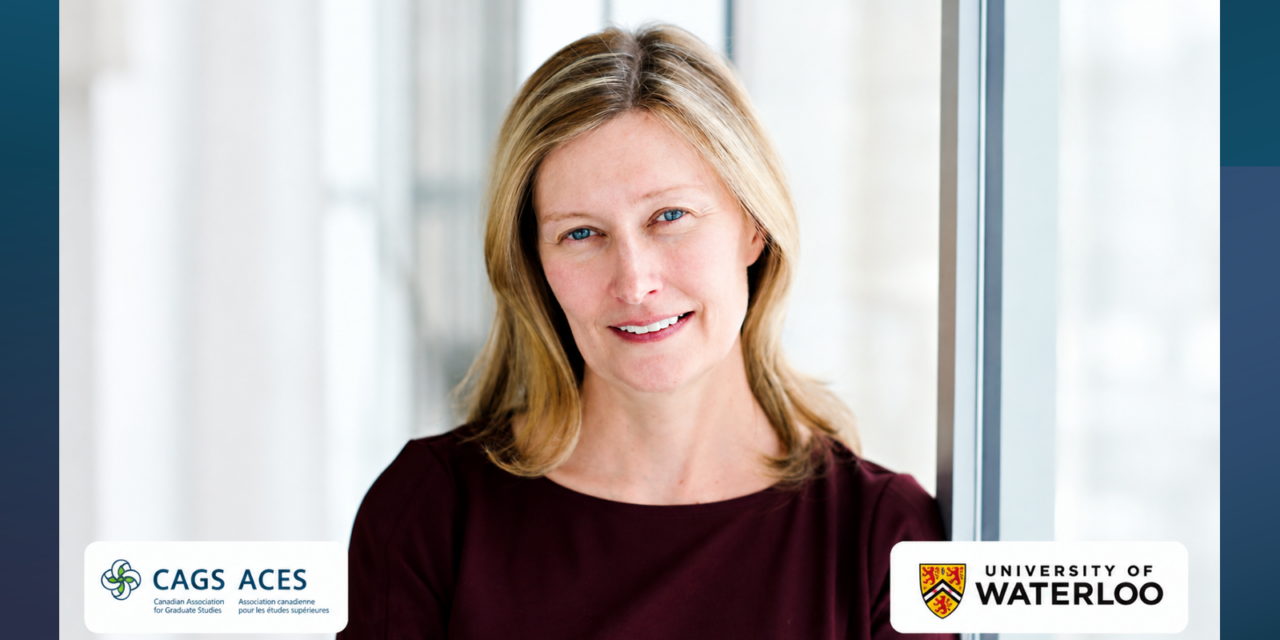
Dr. Catherine M. Burns is Professor of Systems Design Engineering at the University of Waterloo and a Tier 1 Canada Research Chair. She is the author or co-author of 8 books, and almost 330 articles, abstracts and chapters, many of which include her graduate students as co-authors. She has supervised 17 PhD students and 42 MASc students, and has served as an external examiner for many students at universities across the world. From 2018-2026 she led an NSERC Create program which had significant engagement with graduate students.
The Canadian Association for Graduate Studies (CAGS) is pleased to announce that Dr. Catherine M. Burns, Professor in the Department of Systems Design Engineering at the University of Waterloo, has been selected as the winner of the 2026 Dr. Suning Wang Award for Outstanding Graduate Mentorship.
Dr. Burns is an internationally recognized scholar, a productive researcher, a professional administrator, and an inspiring graduate mentor. She serves as a Tier 1 Canada Research Chair in Human Factors in Healthcare Systems and is Director of the Advanced Interface Design Lab at the University of Waterloo. Her research program has attracted more than $27 million in funding and has produced more than 330 scholarly publications, many of which were co-authored with graduate students. She has supervised 17 PhD students and 42 master’s students, as well as 5 postdoctoral fellows and 14 international scholars.
A Model of Student-Centred Supervision
Dr. Burns is recognized by her students for a supervisory approach that balances structure with independence. From the beginning of a student’s program, she establishes clear expectations while creating space to shape their own research and develop their own scholarly identities. Regular conversations and opportunities for feedback allow her to adapt her approach as students’ needs and goals evolve. She encourages students to take intellectual risks, learn from failure, and gradually assume greater ownership of their work, helping them develop the confidence to make decisions as independent scholars.
Dr. Burns’ mentorship also recognizes that graduate education does not take place in isolation from the rest of a student’s life. In their letters of support, her supervisees describe a mentor who takes the time to understand the circumstances, ambitions, and challenges that shape each student’s experience. Dr. Burns has supported students through career transitions and unexpected research setbacks, as well as the challenges of finding work-life balance and adapting to life in a new country. Rather than applying a one-size-fits-all approach, she develops a mentorship strategy around each student’s unique learning style, research interests, and career aspirations. The result is a supervisory relationship that is both rigorous and deeply attentive to the individual student.
Creating Opportunities for Student Success
For Dr. Burns, graduate supervision is not limited to helping students complete a thesis or dissertation. She actively works to open doors that allow students to test their skills and expand their professional networks. She regularly connects students with researchers, clinicians, industry leaders, and interdisciplinary collaborators in Canada and internationally, while encouraging them to present their work at conferences, publish their research in leading journals, pursue professional development activities, and take on leadership roles.
One former master’s student described Dr. Burns’ facilitation of a Mitacs internship at FluidAI as a turning point in both their career and their life. The experience allowed the student to bring academic skills into an industry setting, gain a clearer understanding of possible career paths, and ultimately pursue meaningful work beyond the university.
Creating a Lasting Impact
The impact of Dr. Burns’ mentorship is evident not only in what her students accomplish during their graduate programs, but in the paths they take after graduation. Her former students have gone on to faculty positions at universities in Canada and internationally, as well as senior roles at organizations including Google, Microsoft, IBM, Meta, and Thomson Reuters.
Just as importantly, the relationships Dr. Burns builds with students do not end when a degree is conferred. Former students continue to seek her advice years after completing their programs, describing her as a trusted advisor who remains genuinely invested in their professional and personal development. Dr. Burns’ mentorship has helped foster a community of former students who support one another and who carry forward into their own lives the collaborative and inclusive values they experienced in her research group.
CAGS instituted the Award for Outstanding Graduate Mentorship in 2018 to highlight and celebrate faculty members who exemplify the highest standards in teaching, training, and mentoring. The Award was renamed in 2020 in honour of the inaugural winner, the late Dr. Suning Wang of Queen’s University. Dr. Burns exemplifies the qualities the Award was created to recognize: rigorous and thoughtful supervision, a sustained commitment to student development, and a genuine investment in the people behind the research. CAGS is proud to recognize her extraordinary contributions to graduate mentorship and the lasting impact she has had on generations of graduate students.
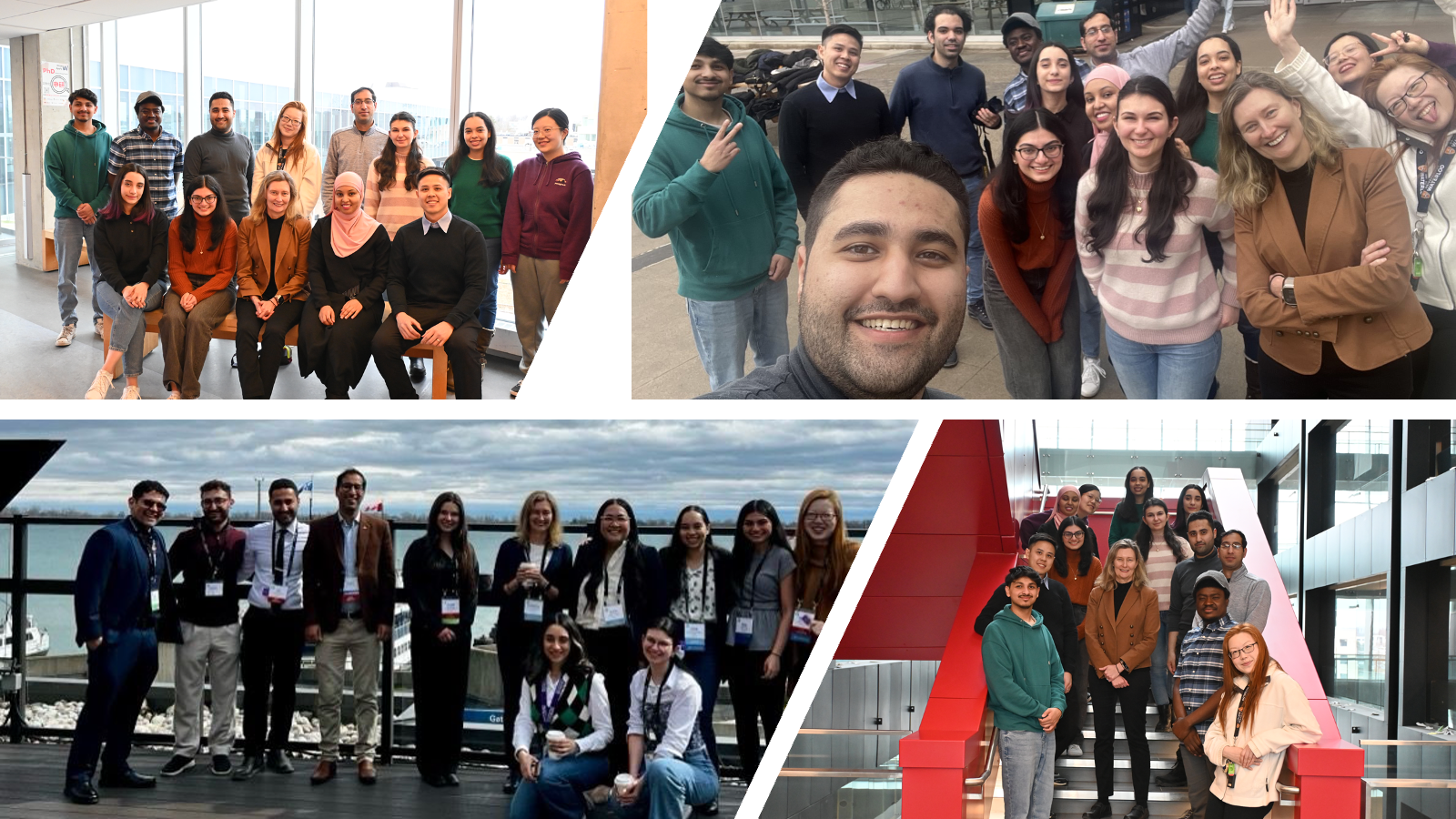
“Her ability to balance rigor with humanity, structure with empathy, and vision with accessibility sets a standard for mentorship that few can match.”
“Through career upheavals…she provided a caring atmosphere where I felt genuinely supported as a whole person. When I was hardest on myself, she reminded me that self-awareness of limitations is a researcher’s strength.”